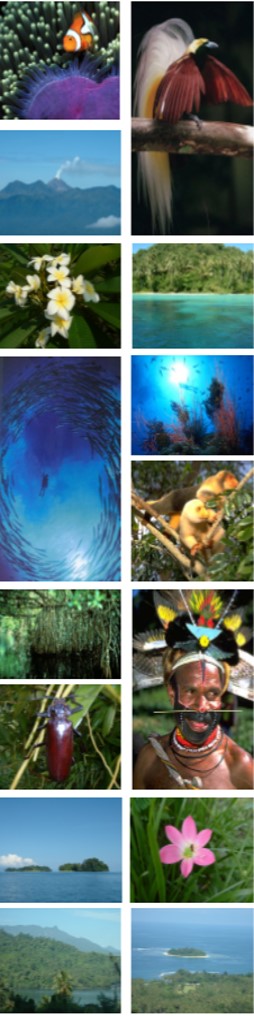
This course module is divided into ten (10) main content areas that attempt to develop an understanding of biological diversity and the reasons for conservation towards promoting ecologically sustainable development.
The course draws from the principles and practices of environmental education and develops students’ understanding of education for sustainability. It investigates the key principles of sustainability and ways in which these are improve pedagogical issues. The course offers a variety of learning experiences involving indoor and outdoor activities which include group discussions, games, debates, drama, field trips and talks from invited speakers.
The course introduces students to perceptions about natural resources and factors that influence these perceptions over time and space, resulting in a better understanding of sustainable resource use. Various practices and approaches in natural resource management will be explored and students given opportunities to analyze cases where these approaches are applied. The course will explore concept of sustainable development and the rationale for this as a globally accepted development trend.
It aims to provide students with a theoretical understanding of the issues in natural resource management. It will also empower students with knowledge and skills to carryout awareness and education on sustainable natural resource management practices.
- Teacher: Alwyn Kawona
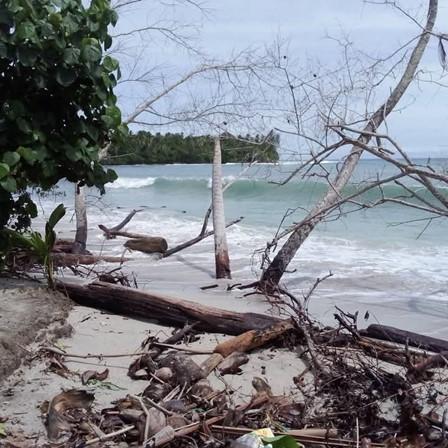
This course is designed to provide students the opportunity to understand the importance of this global phenomenon – climate change and its effects. This is so that the students grasp some basic knowledge of the science of climate change, its effects, and ways in which these effects can be minimized. The students can be able to develop sound understanding of climate change and effectively participate in the decision making and actions for climate change.
Students will engage in variety of teaching and learning approaches. They will also be introduced to various perceptions of climate change, its causes and effects and different ways to address these. Students will also be introduced to adaptation strategies and given the opportunity to explore the application of these adaptive strategies.
- Teacher: Larry NOM
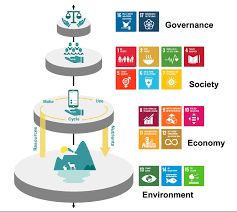
The content of this course attempts to review the interdependent relationships that exist in the natural environment. This is done through a reflection on how life exists and thrives on planet Earth, recycling of nutrients to support biodiversity and a closer look at how they function within their ecosystems. The course also explores environmental problems and their causes, various strategies to deal with these problems, and ways to live sustainably. It further explores the 17 Sustainable Development Goals (SDGs) and what PNG and Melanesia can do to achieve these including discussion of the work of Forest Stewardship Council. The course enables students to develop problem solving skills and their capacity to apply relevant knowledge systems, practices and technology towards developing a sustainable society.

The course draws from SPREP’s report on The Priority environmental concerns for Papua New Guinea (2004) by Stephen Nicholls.